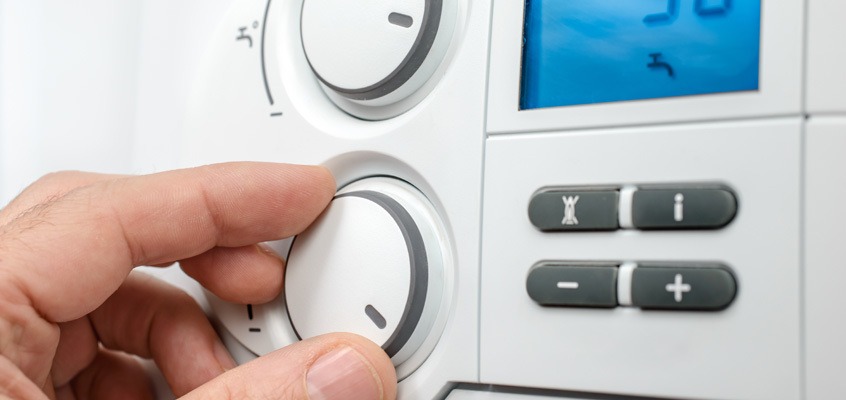
Emergency Boiler Repair: Fast, Reliable Service Across Yorkshire When your boiler fails, it rarely picks a convenient moment. A freezing morning, no hot water for the school run, a strange smell or a worrying noise — and suddenly you need help now. That’s...
Combi and Oil Boiler Installation: Choosing the Right System for Your Home Replacing your boiler is one of the biggest decisions you’ll make for your home’s comfort — and with combi and oil boilers both on the table, it’s easy to feel stuck. Which...
Photo by Heiko Ruth on Pexels Keeping your boiler in good working order is important for safety, efficiency, and peace of mind. In Leeds, many homeowners and landlords arrange an annual service to prevent unexpected breakdowns and maintain warranty conditions. With...
Cavity wall insulation Working to help reduce the amount of energy you need to heat your home, investing in cavity wall insulation could return a £140 saving each year. With an estimated 33% of a home’s heat lost through the walls, it’s essential to ensure your walls...
The Renewable Heat Incentive (RHI) is the world’s first long-term financial support programme for renewable heat. Created by the Government the scheme has been set up to promote the use of renewable heat technologies among UK homeowners. By paying participants who...
Available to those who installed a renewable or low-carbon electricity source (such as solar panels or a wind turbine), under the UK Government’s Feed-in Tariffs scheme (FITs), you may be eligible to earn money from your energy supplier. You’ll be paid for the...
You could receive between £100 and £300 tax-free to help you pay your heating bills if you were born on or before 5 May 1953. This is known as a ‘Winter Fuel Payment’. You usually get a Winter Fuel Payment automatically if you get the State Pension or another social...
The Warm Home Discount scheme is an initiative in the UK involving the government and electricity suppliers working together to help offer extra support to approximately two million of the UK’s most vulnerable customers, by providing rebates on electricity bills in...
Introduced in January 2013, the Energy Companies Obligation (ECO) is a government passed order aimed at reducing the UK’s energy consumption and tackling fuel poverty. Helping to support people living in fuel poverty, the ECO requires the big six energy companies to...
A government grant given to qualifying households during cold weather, this grant is only payable when the temperature falls below, or is forecast to fall below, 0°C for seven consecutive days. The Cold Weather Payment scheme runs from 1 November 2016 to 31 March...
It’s estimated that between 80-85% of the heat in a room can be lost through an open fireplace, so it’s important to block them when not in use. If you have one or more open chimneys in your home you can combat this heat loss by fitting caps over the chimney...
With as much as 18% of heat lost through windows, double-glazing can greatly improve the heat retention of your home while keeping out unwanted elements. Lasting for up to 20 years, if you replace single-glazing with double-glazing you could save around £180 a year on...
With an estimated 26% of a home’s heat escaping through the roof, adequately insulating your loft could save you up to £180 on your annual heating bills. Cheap and relatively simple to install yourself, once you’ve insulated your loft you shouldn’t need to do it...
With an estimated 8% of a home’s heating lost through the floor, insulating under the floorboards on your ground floor could save around £60 a year. Most effective in rooms suspended over unheated spaces, if you live on the ground floor or have rooms above an unheated...
If your property has solid walls, rather than cavity walls, you can work to insulate them from the inside or the outside. Common in homes built before 1920, properties with solid walls let through twice as much heat as their cavity wall counterparts. While...
There are several smaller ways homeowners can insulate their property. Often cheaper and easier to implement than measures that involve engineers and building work, here are some things you can do yourself: Exclude draughts It’s estimated that £30 could be saved each...
Solar panel electricity systems, also known as solar photovoltaics (PV), capture the sun’s energy using photovoltaic cells. How does PV work? Able to generate electricity, even on a cloudy day, photovoltaic cells convert sunlight into energy that can be used to...
Using heat from the sun to warm domestic hot water, solar water heating systems are often supported by a conventional boiler or immersion heater. How do solar water heating systems work? Collecting heat from the sun using solar panels called collectors, solar water...
A device that provides heat energy from a source of heat to an alternate destination, there are two types of heat pump commonly used for warming homes. Air Source Heat Pumps (ASHPs) Absorbing heat from the outside air, air source heat pumps (ASHPs) can be used to heat...
A result of repeated pressure, pipes are prone to bursting after a continual period of freezing and expansion. Commonly occurring during winter, there are several measures you can take to protect your pipes in cold weather. If a pipe in your home freezes and then...
If one or more of the taps in your home aren’t working and you suspect that your pipes may have frozen, there are many things you can do to resolve the issue. Before you take any action, always check with your neighbours and see if they’re also experiencing...
Easily clogged with too much toilet paper, a blocked toilet is relatively straightforward to fix. As soon as you notice that your toilet is blocked, you should avoid flushing as this could cause it to overflow, potentially flooding your bathroom. A messy job, if you’d...
Similar to unblocking your bath or shower with bicarbonate of soda, this method also relies on a chemical reaction to dislodge debris. Quick and easy to do, you can unblock your kitchen pipes within a few minutes. Start by crumbing three Alka-Seltzer tablets down your...
Similar to the tell-tale signs of a leaking soil pipe, if your soil pipe is blocked you’ll smell an unpleasant odour and notice that your toilet is draining slowly. If you’d rather not complete this messy job yourself, contact your local plumbing engineer for help. If...
To keep your drains in good working order there are several things you can do: Check your drains regularly If you keep an eye on your drains regularly, any blockages and faults that could cause you problems in future are more likely to be spotted and dealt with as...
If you’ve got a blocked drain it’s important to stop using it as soon as possible. That means not running your taps, not flushing the toilet and not using appliances such as washing machines and dishwashers. If you suspect you have a blocked drain you should contact...
While it’s a problem that can cause a lot of cosmetic damage, a leak under your sink is fairly straightforward to diagnose and repair. Here are some possible causes: Your pipe isn’t fitted correctly If your pipe isn’t fitted correctly, you’ll need to fix...
If your bath or shower fills up with water while in use and takes a long time to drain afterwards, it’s likely that you have a build up of debris in your drain. Often blocked with a mixture of hair and dirt, use these tried and tested remedies: on your bath or shower...
If you experience any difficulties with drains and sewers, both at home and on public property, it’s important to know who to call and how to rectify any problems. Drain maintenance Generally speaking, homeowners and tenants are generally responsible for their...
The first port of call when you have a plumbing or heating emergency, your stopcock is the gateway to your water supply. If you discover a leak from your stopcock you should contact your local plumbing engineer or, if you’re familiar with DIY plumbing, attempt to fix...
If you’re having trouble getting your toilet to flush, and don’t want to resort to the bucket and water method, check these four components are working as they should: The float ball Your cistern should be full of water. If it isn’t draw your attention to the big...
If you think your water tank is leaking, before you take any action you’ll need to be sure that water isn’t coming from an adjacent pipe. It’s also possible that condensation could be dripping down from the side of the tank or connected pipes, leaving a suspicious...
If any of your sinks aren’t draining fully after use you may have a blockage in the waste pipes or the sewer line. Common causes are food debris and cooking fats. Relatively easy to unblock yourself, try the two methods below: Plunging Firstly block the overflow holes...
While no leak should ever be taken lightly, in the case of a leaking bath or shower, immediate attention is required. If you’re not confident with DIY instructions or aren’t sure if you can complete the job on your own, contact your local plumbing specialist who’ll be...
Wasting a large amount of water, a toilet that’s running continually is inconvenient and noisy. Relatively straightforward to repair, check these three components are in good working order: The flapper valve The rubber seal that sits at the bottom of the cistern, a...
Used constantly, it’s no surprise that after some time the flush handle on your toilet will begin to show signs of wear and tear. If the flush on your toilet has stopped working you’ll need to replace it following the instructions below. Removing your old flush handle...
If you’ve noticed small pools of water where your toilet meets the floor or that the flooring around your toilet is especially spongy it’s possible that your toilet may be leaking. Likely to be caused by a damaged cistern, a cracked toilet pan, or a leaking overflow...
If you suspect you have a leaking soil pipe, it’s easily diagnosable due to the unpleasant smell and the slow functionality of your toilet. While there are many potential causes such as cracked cement or a loose connector, diagnosing and fixing a problem related to...
A nuisance rather than a plumbing disaster, leaking and dripping taps sound annoying, waste water and leave stains in your sink. If you’d like to attempt to fix the problem yourself follow these simple tips below: Turn off the water supply Switch off the water supply...
Similar to dealing with a burst pipe, there are several things you can do to prevent serious damage to your home following a leaking pipe. Most common in the cold winter months, as soon as you discover a leak you should: Turn off your water supply Switch off the water...
A common problem in the colder months, when pipes freeze and expand it’s sometimes challenging to find the exact origin of a leak and repair it effectively. Before you can inspect your pipes it’s important to first turn off your water supply. Normally to be found...
As a landlord you are legally responsible for ensuring that all gas appliances within your property are safe and working effectively for your tenants. According to UK law there are several things that you must do: Annual gas safety checks Maintenance Record keeping...
If you smell gas or have reason to believe there’s been a gas leak you should take immediate action. Call the National Gas Emergency Service number on 0800 111999, 24 hours a day. The National Gas Emergency Service will identify the source of the leak and repair it,...
Infamous for being invisible to the naked eye, tasteless and scent-free, carbon monoxide (CO) is extremely dangerous. Responsible for 20 deaths in the UK each year, it’s important to ensure your home is Gas Safe compliant to avoid gas leaks and exposure to carbon...
While it’s your landlord’s legal responsibility to maintain the gas appliances within your home, there are several things you can do as a tenant to ensure your safety. Know your rights In the UK landlords have to use a Gas Safe registered engineer to carry out annual...
Also known in the trade as a CP12, a Gas Safety Certificate is a report which outlines the appliances tested in an annual gas safety check. A legal requirement in the UK, all landlords and owners of commercial premises need to have their gas appliances regularly...
The latest generation of smart thermostats is designed to intelligently control the temperature in your home environment. What is a smart thermostat? A smart thermostat will ‘learn’ your lifestyle habits by detecting when you are at home and when you are away. Like a...
Scheduled to be installed in every British home and small business by 2020, under the national upgrade scheme, smart meters are a new kind of energy meter. What is a smart meter? Automatically sending electronic readings to your energy supplier, a smart meter will...
There are many measures you can take to reduce the amount of water you consume, lowering your water bills while making your home more efficient. Swap a bath for a 5-minute shower Based on a family of four, by replacing a bath with a 5-minute shower the average family...
In winter one of the biggest expenses homeowners face is rising gas bills. Help keep your home warm and save money by following these simple steps: Turn down your thermostat Reducing the temperature in your home by just 1°C could slash your heating bills by up to 10%,...
From reading your meters regularly to unplugging your appliances when not in use, there are many small things that can be done to save electricity. Here are two of the main areas where you can have the most impact: Lighting Be conservative with your lighting, by...
Designed to help consumers assess the energy efficiency rating of new appliances, EU Energy Labels were created to help consumers choose products that use less energy, meaning less CO2 emissions and lower bills for the consumer. Graded with letters A-G and a gradient...
Required under UK law, all domestic and commercial buildings available to buy or rent must have an Energy Performance Certificate (EPC). What is an EPC? Similar to EU Energy Labels that grade the energy efficiency of new appliances, EPCs show how energy efficient a...
If you’re experiencing cold radiators even though your boiler is working normally, it’s likely that there’s a problem with your boiler pump or central heating controls. The pump is faulty If you suspect that the boiler pump is faulty you’ll need to contact your local...
Licenced by Ofgem, gas suppliers provide gas for British homes, while the National Grid connects power stations and major substations, ensuring the electricity generated reaches UK homes. Gas connections If you need a new gas supply or would like to have your existing...
While complete boiler failure can appear serious, there are many possible causes, ranging from a crack in one of the boiler’s cast iron (or aluminium) sections, to a broken seal on the boiler pump. To determine what’s causing your boiler to shutdown ask yourself...
While your central heating system should work to distribute heat evenly around your home, from time to time it can become unbalanced. If you haven’t programmed your system to heat the different zones of your home independently, follow these steps below to redress the...
Cold radiators in different zones If the radiators aren’t working in certain parts of your home it’s likely there’s a fault with one of your central heating system’s zones. A predetermined area of the home, different zones enable you to control the temperature in...
While cold radiators could be a result of a more serious problem with your central heating system or boiler, there are a number of smaller faults that should be ruled out first. The thermostat’s set too low Check that the thermostats in your rooms and on the boiler...
If you hear your boiler or heating pipes making noises such as whistling, gurgling or banging, you should find out the cause as soon as possible. A sign of something called kettling, where limescale collects in the heat exchanger, strange noises can also occur due to...
Possibly an indication of a serious fault, if you don’t fix a leaking boiler quickly the internal parts of your boiler could corrode, making it harder to repair in the future. What is causing the leak? Due to a variety of causes, a leaking boiler could be symptomatic...
If you’re experiencing a loss of heating, follow the steps below to try and kick-start your system. If you’re not confident with DIY, contact your local heating engineer for further assistance. 1. Check the power Ensure that the power supply’s on and that the fuse is...
If you notice that your radiators are leaking, it’s important to find the source of the leak and fix it before the problem escalates. What is causing the leak? Often a sign of internal corrosion, a pinhole leak can occur when debris isn’t removed upon installation....
Used to control and isolate the water flow within a radiator, if you’re experiencing difficulties getting one radiator to heat up fully this could be due to a faulty radiator valve. Relatively simple to replace without needing the help of a heating engineer, follow...
While your boiler and radiators might be in good working order, from time to time you may find that your heaters aren’t getting fully hot. In order to maximise their output follow the steps below: Check that the radiator valve is open Ensure that the radiator...
If you’re suffering from a loss of hot water you can follow the steps below to try and fix the problem. However, if you’re not confident with DIY, contact your local heating engineer for further assistance. 1. Check the power Ensure that the power supply’s on and that...
Powered by a series of control mechanisms, which are programmed to distribute heat and hot water at peak times, you should be able to adjust the settings on your boiler as required. If your controls stop working unexpectedly, check the components listed below to...
There are a few factors that can cause the radiators in your home to become cold in certain areas. Follow the tips below to diagnose and fix the problem: The top of the radiator is cold Usually attributed to trapped air within the system, to release it you’ll need to...
An easy and cheap fix for combatting cold and patchy radiators, bleeding a radiator is something anyone can do in their own home without the need for a heating or plumbing engineer. Why do I need to bleed my radiators? Radiators become less effective the more gas...
Your boiler and central heating system are fitted with a variety of controls, allowing you to manage temperatures, timings and energy consumption. Boiler thermostat The boiler thermostat controls the temperature of the water that flows through your system and feeds...
If you’ve decided that it’s time to buy a new boiler, you need to consider the different types available so you can ensure that you get the right one for your needs. Boilers represent a significant financial outlay, but they are an important investment if you want a...
To guarantee your boiler’s efficiency and longevity there are several things you can do to help ensure you have hot water and heating year round. Get an annual boiler service Once a year your boiler should be serviced by a Gas Safe registered engineer. Your...
Sometimes referred to as ‘sealed system’ boilers, a system boiler works in the same way as a conventional boiler, storing hot water separately, in a water cylinder. With many of the individual components of the heating and hot water system built into a...
Also known as ‘open vent’, ‘heat only’ or ‘regular’ boilers, conventional boilers require both a cylinder and a tank. Suitable for homes where multiple people require hot water at the same time, if you live in an old property with a system that hasn’t been recently...
Generating more heat from the same amount of fuel, a condensing boiler will save you money on your heating bills when directly compared to a non-condensing boiler. If you replace an old gas boiler with no controls, with an A-rated high-efficiency condensing boiler and...
These valves control the flow of water through your radiators and are situated at the bottom, where the pipe feeds into the unit. There are three different types of valve: Thermostatic radiator valve Using air temperature sensors, Thermostatic radiator valves (TRVs)...
A common replacement for small to medium sized boilers, electric boilers are known to be light, silent and compact. Economical to run in comparison to oil or gas, electric heating boilers are highly efficient. How does an electric boiler work? Instead of burning solid...
Using oil to heat hot water that is then circulated through the central heating system, under UK law, since 2007 all oil-fired boilers must have a Sedbuk efficiency of 86% or more. How does an oil boiler work? Consisting of two parts, an oil-fired boiler includes a...
An environmentally friendly heating solution, biomass boilers use the heat produced to provide heating and hot water. Most suited to people who aren’t connected to mains gas or who have additional space for fuel storage, biomass boilers produce what is classed as...
Powered by natural gas or liquefied petroleum gas (LPG), like most boilers, a gas boiler burns fuel to heat water. As boilers account for around 55% of the total cost of annual heating bills, a new energy efficient boiler can make a real difference to the average...
These valves control the flow of water through your radiators and are situated at the bottom, where the pipe feeds into the unit. There are three different types of valve: Thermostatic radiator valve Using air temperature sensors, Thermostatic radiator valves (TRVs)...
Get a Boiler Quote
Need a new boiler? Get a boiler quote online in 60 seconds.